As the serialisation project unfolds very complex and unique features we would like to share with you the views of some of the OSMR Board’s Members on a series of topics we have selected.
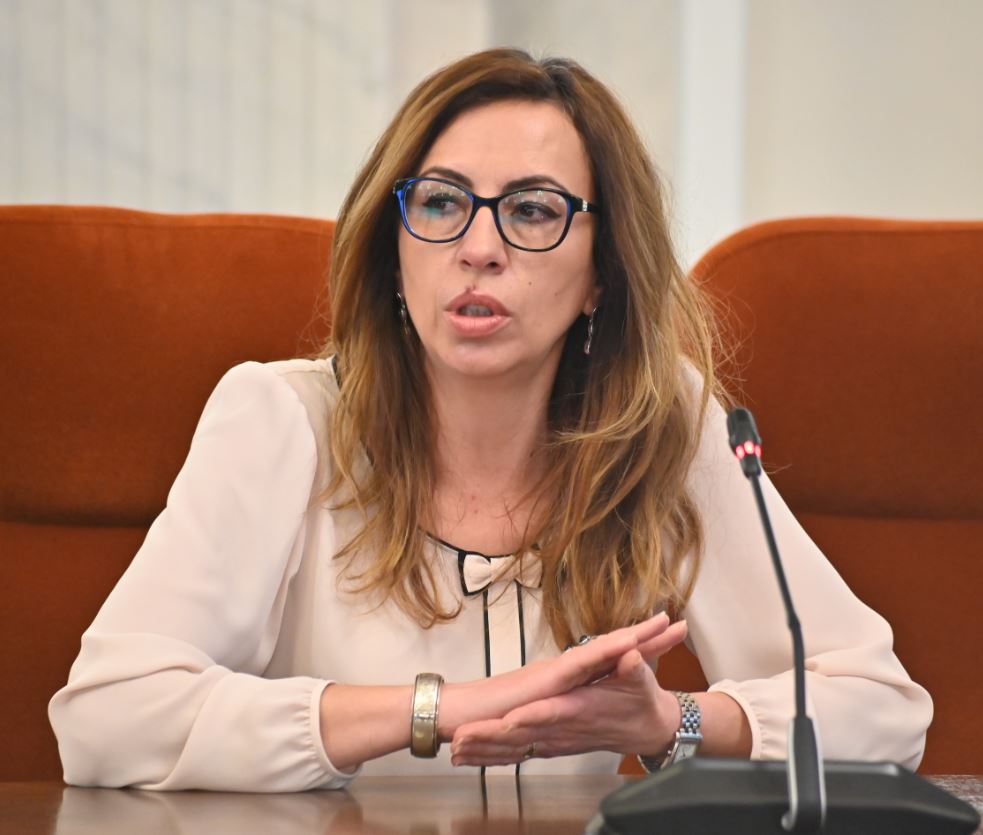
We are delighted to begin this short Questions & Answers session with the representative of the Generic Medicines Industry: Ms. Viorica Predună.
- What has been the biggest challenge that serialisation brought to the industry you are representing?
The biggest challenge that serialisation has brought to the generic medicines industry has been the implementation cost, this project representing a massive investment in the production related activities.
More precisely, we are talking about very high costs for the generic medicines manufacturers, which have added to the already existing burden, namely the clawback taxation, the lowest European reference price, blockages in the adoption of generic and biosimilar medicines and the lack of support showed to the industry by the Romanian government.
A number of governments in the EU Member States have supported this serialisation cost, while being concerned with ensuring the generic and biosimilar medicines sustainability on those markets.
We hope that in the future we will have an open dialogue with the Romanian Authorities and that we will be able to lay the foundations for the necessary collaboration in order to support the implementation of a sustainable medicines’ verification system.
- What is in your opinion the biggest advantage that the Falsified Medicines Directive (FMD) has to offer?
This extremely important project has as purpose the patients’ safety, thus the biggest advantage it has to offer is the patients’ protection by preventing falsified medicines from entering the legal distribution chain.
- What have been the major concerns expressed by members within the industry you represent?
Given the fact that the generic medicines have a lower risk of being falsified, major concerns have centered around the cost-benefit balance.
Indeed, the investments required for the upgrade of the production and assembly lines have been substantial, however we believe that patients’ access to safe medicines is an extremely important benefit that cannot be monetized.
- What are some of the dangers associated with medicines falsification?
Medicines that do not have a marketing authorization cannot guarantee that they meet the quality and safety standards. There is no way to find out what those medicines contain or what their effect may be on the patient’s health.
Falsified medicines can be made by anyone, with any ingredient, under any conditions, there are no tests or conformity requirements to ensure that what the patient is buying is real or safe.
No country has escaped falsified medicines. What was once a danger limited to countries with low or medium income, has become a global problem.
The development of the internet and the access to production equipment have made illegal large-scale distribution easier than ever.
From the manufacturer’s point of view, falsifying its products has an impact on image and reputation.
- What are the most valuable lessons learned that can be taken by the industry from the serialisation experience so far?
Due to the implementation of this European project we have the ability to see products throughout the supply chain, increase brand protection and improve loss prevention.
However, there is always room for continuous improvement and certain segments on which we hope future actions will focus are: simplifying product withdrawal and managing processing.
An important conclusion we draw from this project is the importance of collaboration at European level, a cooperation that has allowed us to be at the forefront of implementing a unique project in Europe that we hope will ensure patients’ access to safe medicines for as long as possible.


